
Helping members find the right people to work with
What we heard: Members value the conversations and trust they build in Digital Village. But it can be hard to find people with relevant skills, shared interests or time to work together—and members do not want another profile to maintain.
Help decide what to test.
Two ideas to test. No decisions yet.
Small member capability directory
Test a searchable directory with willing members to help people find relevant skills, interests and availability.
Read the proposed test ↓Member spotlights
Test short updates about members’ work so others can see what they do and know whom to contact.
Read the proposed test ↓Does this match your experience?
Confirm what rings true, correct what we’ve misunderstood, or add missing context. Tell us what would make either idea useful before we decide what to try.
Read with care: Conversation capture was uneven, and some proposals have less support than others. The experiment measures are proposed targets, not results.
Conversations behind the findings.
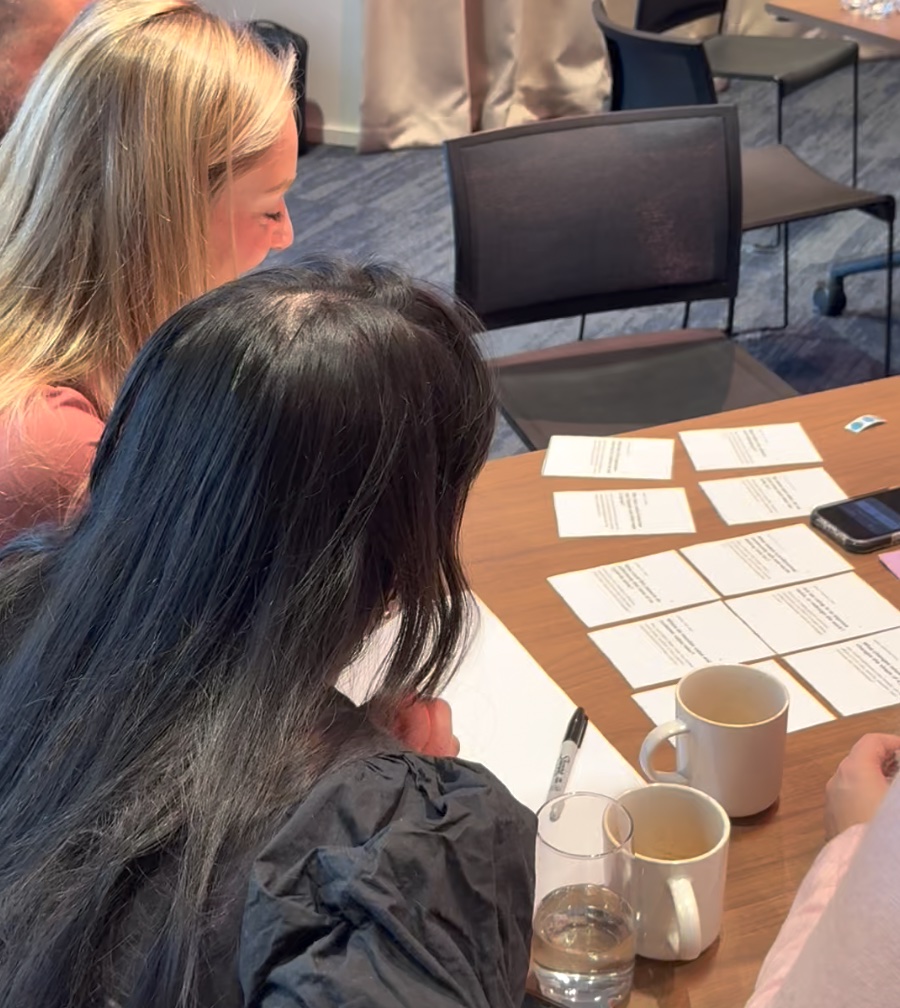
Moments from the session. Select a photo to see it in full.
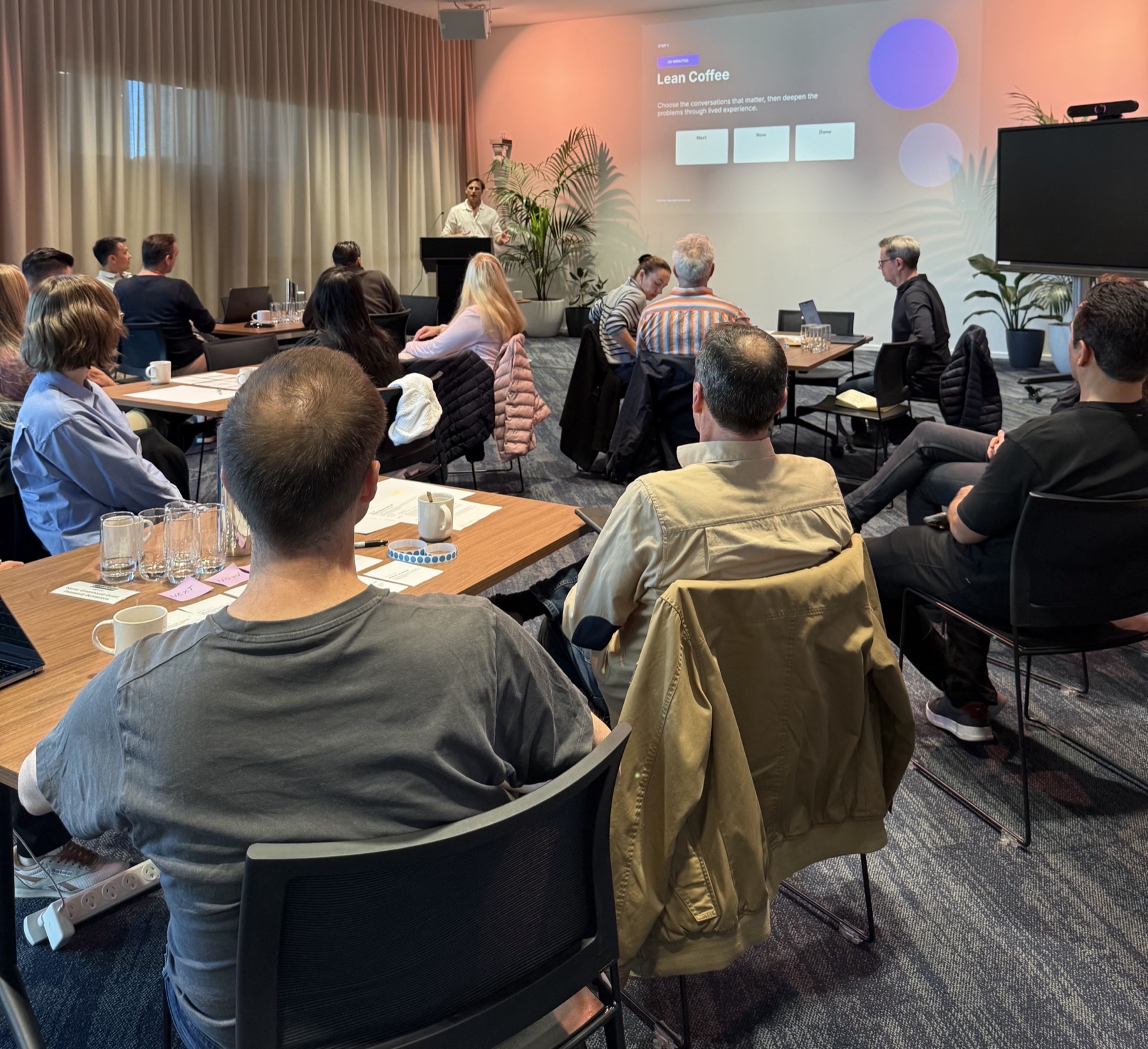
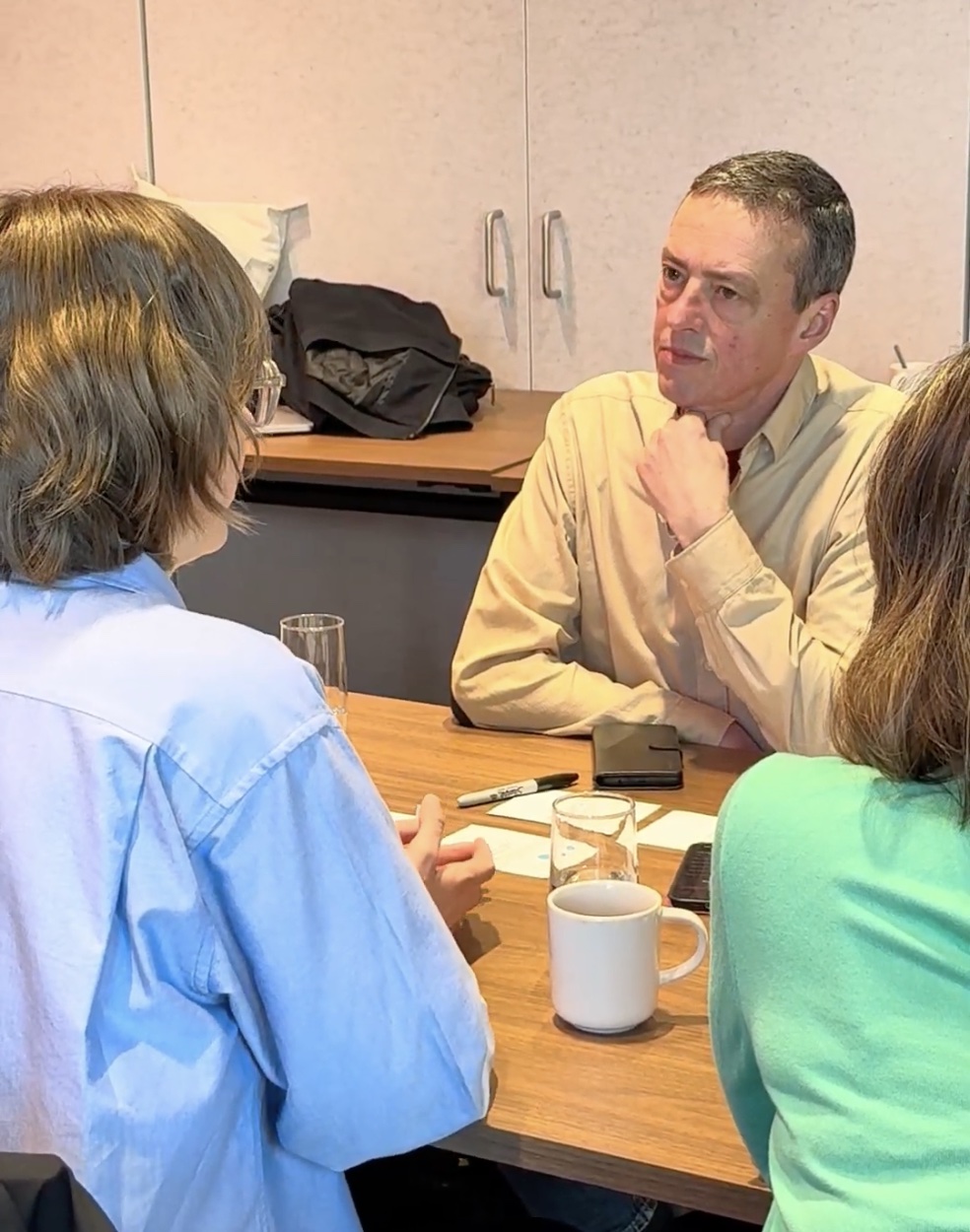
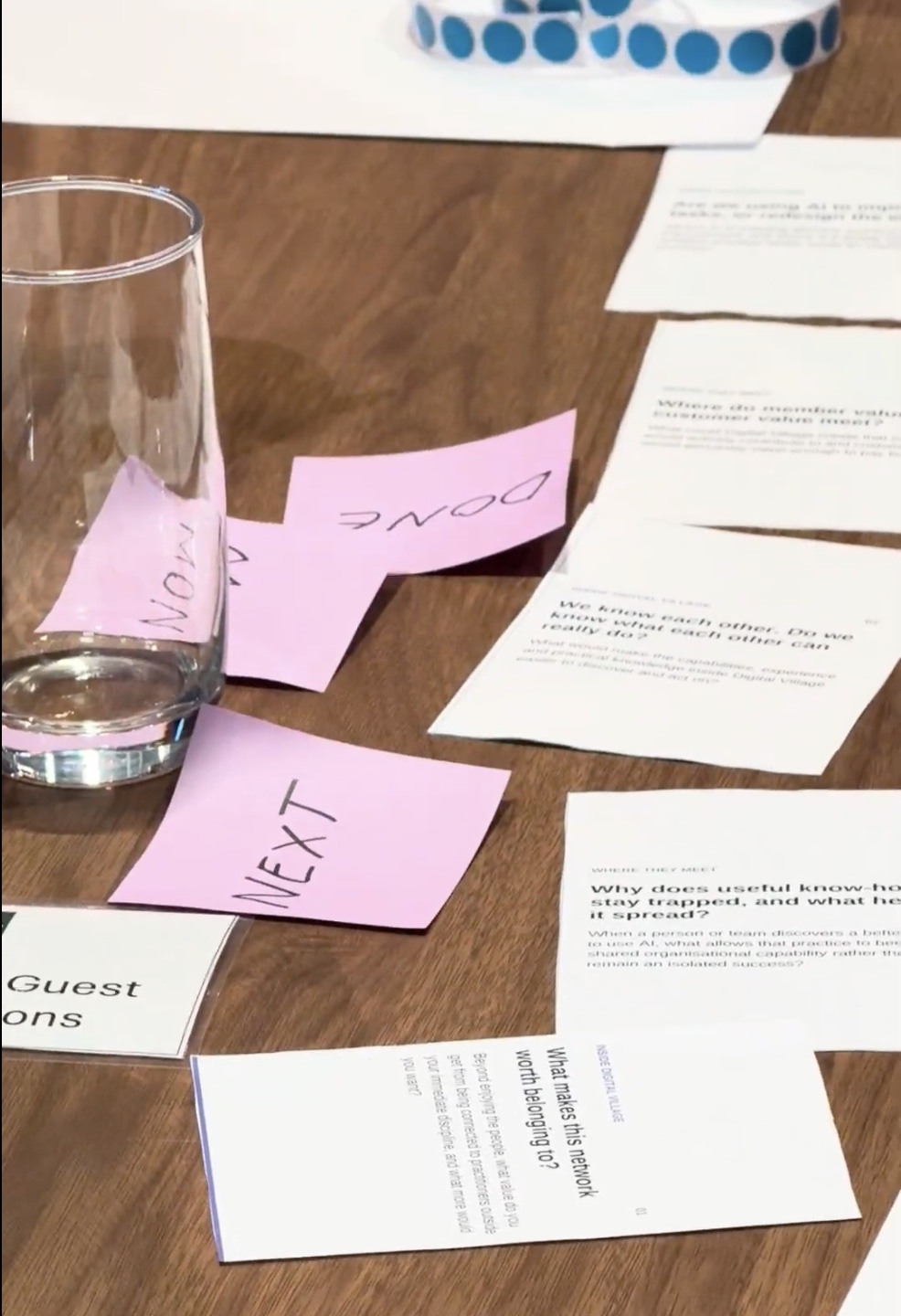
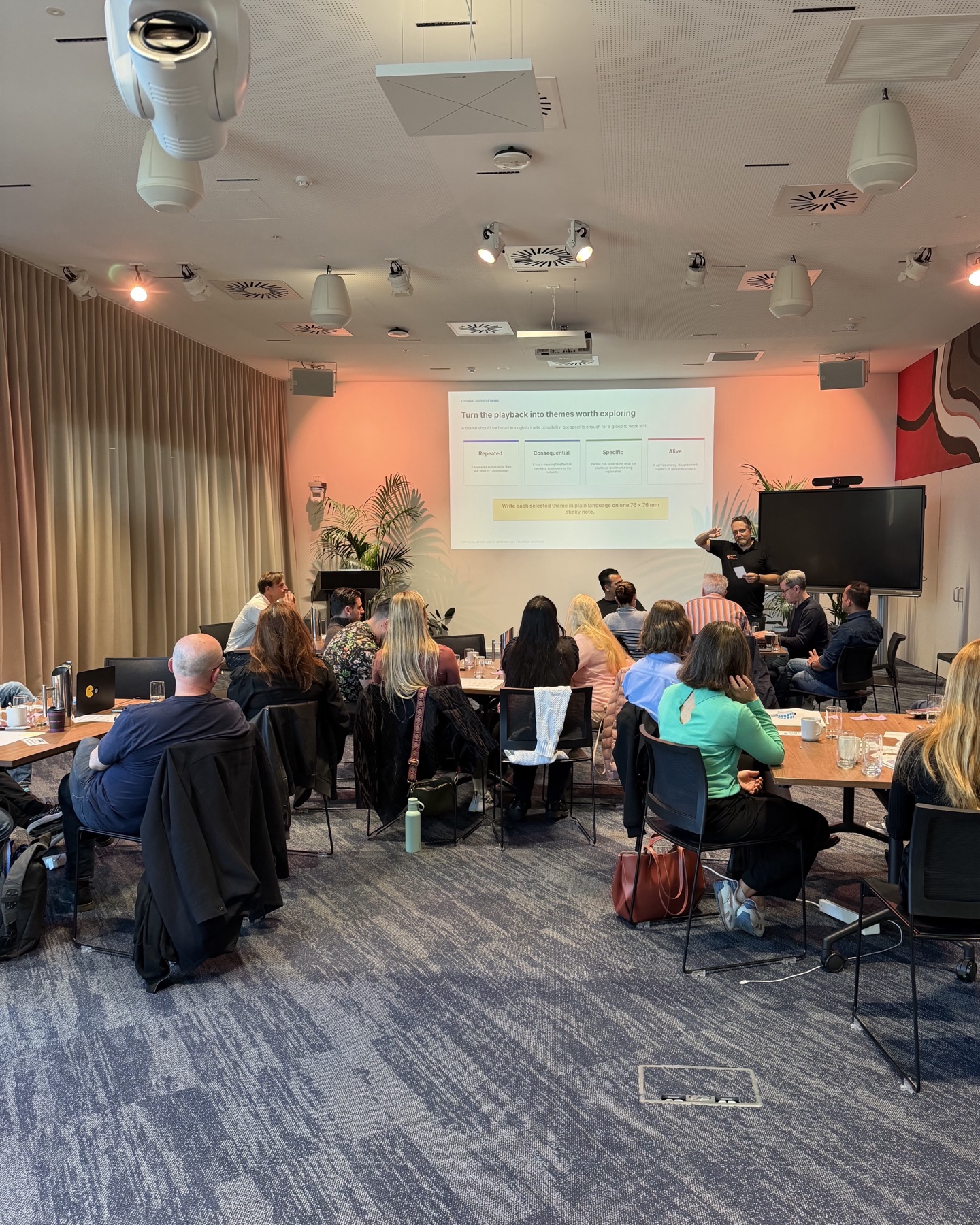
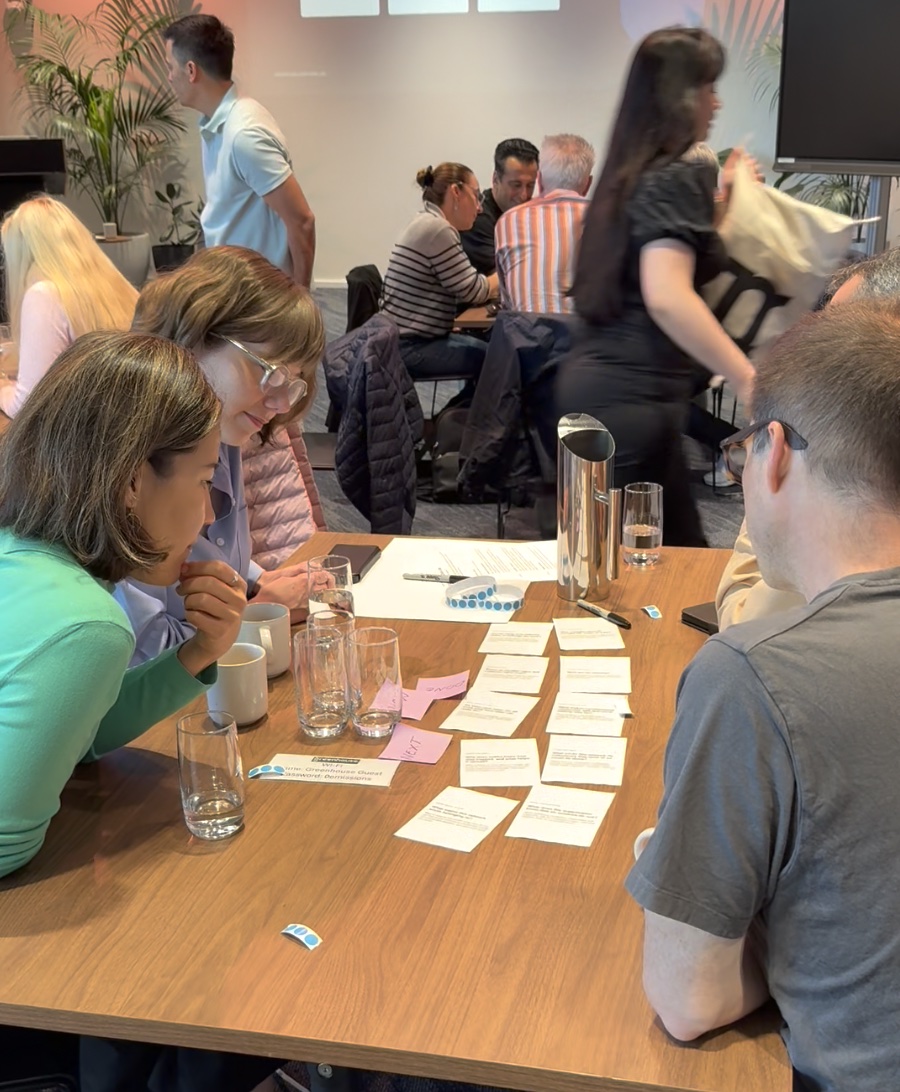
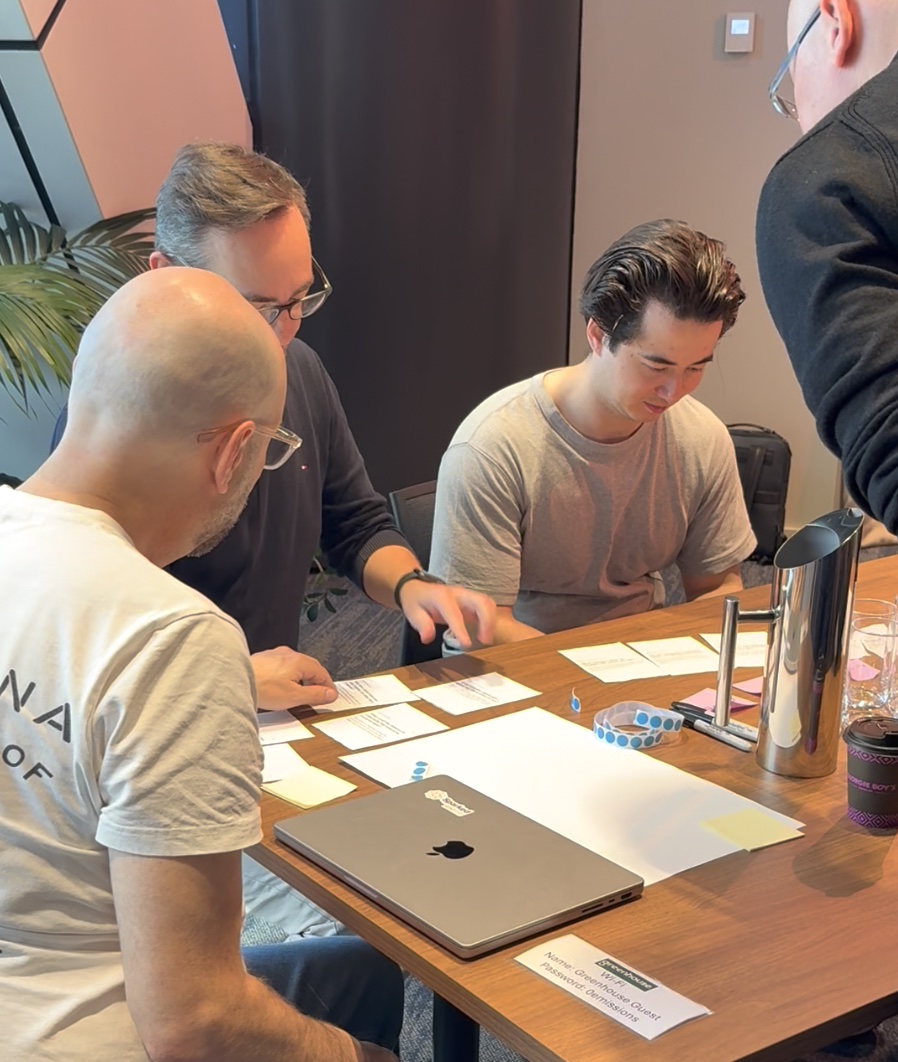
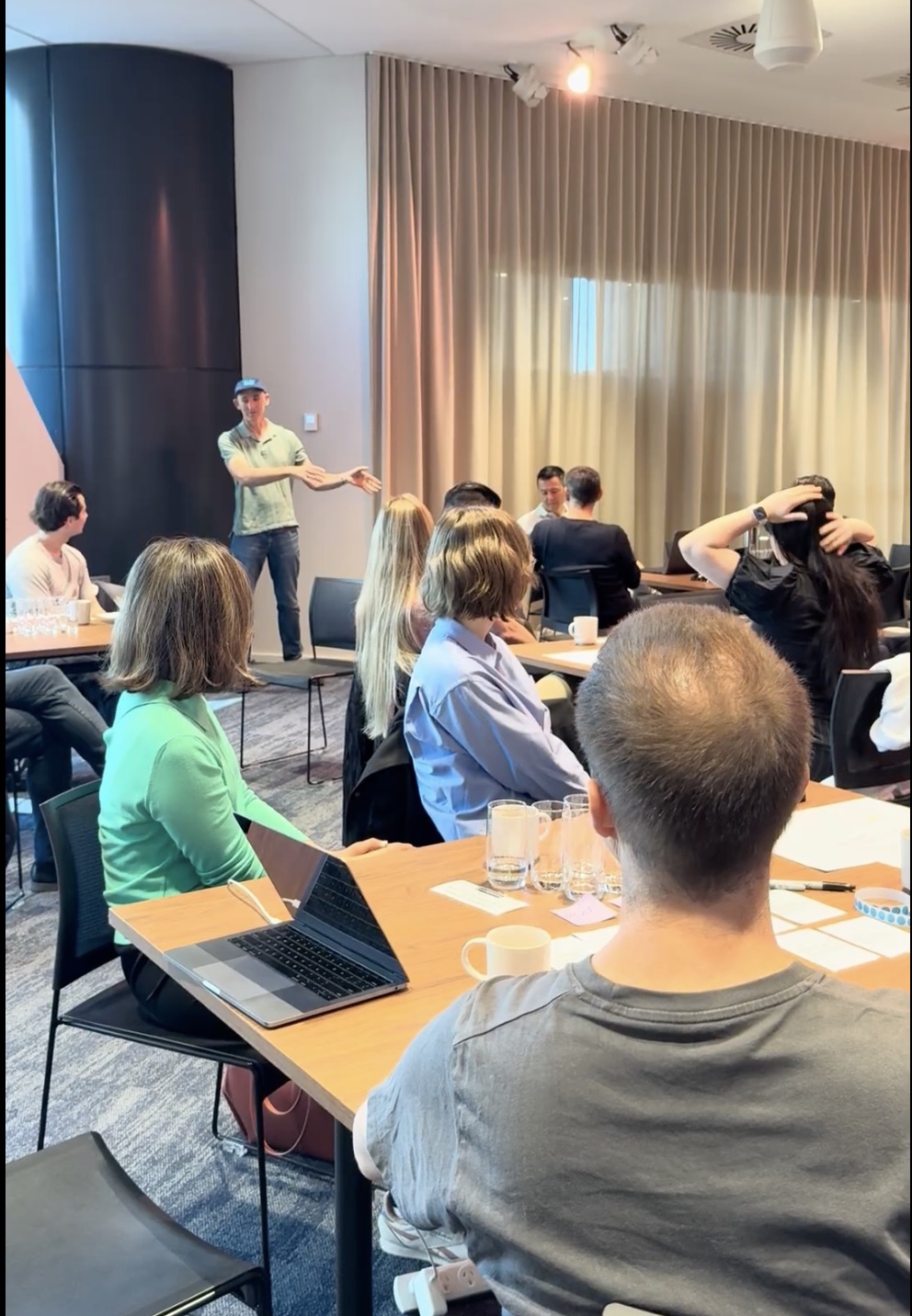
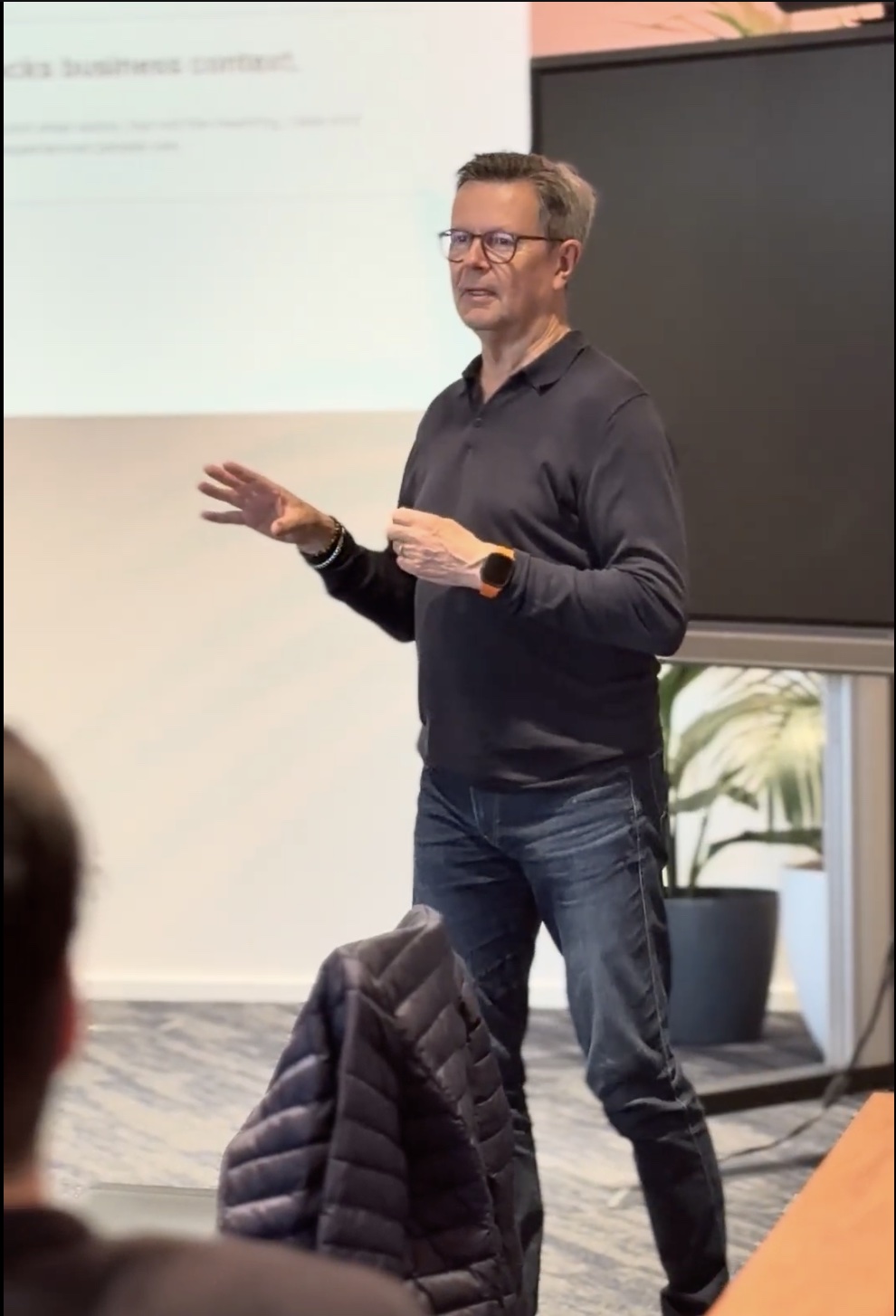
Four findings.
A shared set of questions.
Open each finding to explore the observation, its implications and the qualifications that matter.
The tensions worth keeping.
Progress means working through these trade-offs. Select a card to explore the needs on both sides.
Opportunities, with open questions.
These are proposals emerging from the report. Their status is a recommendation, not a commitment.
| Opportunity | Need | Beneficiary | Evidence | Key uncertainty | Status |
|---|
Small tests. Useful decisions.
Two proposed experiments make the next step tangible. Measures below are proposed targets, not observed results.
Follow the conversation.
Start with what people said. Explore the context, consider what it means for Digital Village, and take your questions into the knowledge graph.
About these sources: quotations and paraphrases come from the supplied report. Source labels identify report sections, not verified transcript citations. Capture was uneven across tables. The expandable analysis and questions below are prompts for further inquiry.
Does this reflect
your experience?
Help correct the record, bring missing context or express interest in an experiment. The next stage starts with a shared understanding of what we heard.
Share your perspective ↗- Share the findings with participants.
- Review, correct and add missing context.
- Confirm experiments and interested members.
- Run the tests and report what was learned.
Read the underlying report.
The supplied report is reproduced below for context. Its interpretations and proposed actions remain open for review.
1. Executive summary
Digital Village's network value is currently rooted in genuine, cross-disciplinary human connection, yet members struggle to translate this goodwill into visible, actionable commercial collaboration. Participants consistently highlighted that while rituals like Lean Coffee build trust, discovering what other members actually do remains difficult because maintaining static profiles is viewed as an administrative burden.
The strongest themes to emerge were the fundamental mismatch between human contextual knowledge and rigid organisational systems, the desire for a dynamic but low-effort capability database, and the observation that AI adoption is a human change-management challenge, not merely a technical one. The most consequential tension lies between the organic, informal nature of the community and the structured delivery frameworks required to win larger enterprise bids. For Digital Village, the primary implication is the need to bridge this gap by making member capabilities visible through automated or low-friction tools, allowing curated teams to pitch to enterprise clients under a unified methodology. Testing a lightweight, permission-based capability directory and automated Slack spotlights are the recommended immediate next steps.
2. About the Data Lab
The Data Lab was convened to explore how Digital Village can strengthen knowledge-sharing, cross-disciplinary collaboration, and community participation. Participants examined what makes the network valuable, the organisational barriers affecting AI adoption, and how member and customer value might reinforce one another. The session utilised facilitated Lean Coffee table conversations, whole-room playbacks, and story circles to move from shared lived experiences to new possibilities. The data was analysed by coding transcriptions and table notes to identify recurring patterns, unresolved tensions, and evidence-backed opportunities. Limitations include uneven transcription capture across different tables, overlapping audio, and AI-generated transcription errors that occasionally obscured context.
3. What we heard: major findings
Finding 1: The Human-System Knowledge Mismatch
• What participants described: Standard operating procedures are frequently out of date, and critical context lives entirely in the heads of experienced personnel.
• Why it matters: When AI systems are deployed on top of outdated documentation without capturing human nuance, they hallucinate or fail to reflect reality.
• Evidence: "Procedures and decisions always have been in people's heads since probably business begun, and standard operating procedures are usually out of date". Participants used the persona of "Judy from accounting" who knows how to handle exceptions that systems cannot see.
• Differences or qualifications: Some engineering disciplines are better at documenting processes in repositories compared to commercial or front-line layers.
• Interpretation: AI adoption exposes pre-existing documentation and culture gaps. It is fundamentally a human change-management challenge requiring socio-technical alignment.
• Confidence: Strong. This was repeated explicitly across multiple independent tables and playbacks.
Finding 2: Capabilities and Opportunities Remain Invisible
• What participants described: Members enjoy the community but often have no idea what specific skills other members possess, what their current interests are, or what projects they are working on.
• Why it matters: Without visibility, members cannot easily form multi-disciplinary teams or refer work, leaving commercial potential on the table.
• Evidence: "I definitely don't know what everybody else knows". The Slack channel was described as "quiet" and underused for active project discussions.
• Differences or qualifications: While a shared capability database was proposed, participants noted a "chicken and egg" problem: members will not update a profile unless they see immediate commercial benefit, making static directories fail.
• Interpretation: The network requires a dynamic, low-friction method to capture member activities without relying on manual data entry.
• Confidence: Strong. The desire for better visibility and the resistance to manual profile updates were primary discussion points across several groups.
Finding 3: Fear and Incentives Block AI Knowledge Sharing
• What participants described: Individuals who discover better ways to use AI often keep it to themselves due to job security concerns or a desire to maintain their "expert" status.
• Why it matters: Useful know-how remains trapped as an isolated success rather than scaling into shared organisational capability.
• Evidence: "Job security. People don't want to lose their role. If they spread knowledge... they can't use that as leverage to stay in their role".
• Differences or qualifications: In smaller organisations, knowledge sharing happens more organically; the barrier increases with organisational size and political complexity.
• Interpretation: Tools do not solve knowledge silos if the underlying human incentives punish transparency.
• Confidence: Moderate. Clearly articulated during one table's Lean Coffee and reinforced in the playback.
Finding 4: Standardised Frameworks as a Commercial Bridge
• What participants described: Independent practitioners want to bid on larger enterprise work but lack the structure to do so alone.
• Why it matters: Establishing a shared "Digital Village Framework" allows independent contractors to collaborate under a trusted, predictable brand.
• Evidence: Participants compared the potential of DV to consultancies like ThoughtWorks or Strategizer, suggesting that if DV had its own delivery frameworks, it becomes a "selling point where the customer can be and the members are attractive".
• Differences or qualifications: Some members are purely seeking networking and learning, not necessarily joint commercial bids.
• Interpretation: Digital Village can transition from a casual talent pool to a premium advisory collective by productising its methodology.
• Confidence: Emerging. Strongly supported in one detailed commercial discussion, though less discussed by those focused on purely social community aspects.
4. Cross-cutting tensions and trade-offs
• Visibility versus the burden of participation: Members desire a comprehensive, searchable database of everyone's skills. However, they strongly resist the administrative burden of updating another profile page. Digital Village must navigate this by finding automated, ambient ways to capture knowledge (e.g., summarising recorded conversations) rather than assigning homework.
• Organic community versus structured delivery: The community thrives on psychological safety, where members can share "unfinished thinking" and failures openly. Conversely, winning enterprise work requires strict frameworks, predictability, and accountability. DV must protect the informal learning spaces while building separate, structured pipelines for commercial delivery.
• Incremental task automation versus end-to-end redesign: Competitive pressure pushes organisations to rapidly adopt AI for isolated tasks (the "low hanging fruit") to get workers on board. Yet, participants noted that true value only comes from entirely redesigning the workflow. There is a tension between selling what is easy for clients to buy versus what will actually drive sustainable transformation.
5. What surprised us
• Technology discussions immediately reverted to human problems: Despite the explicit focus on AI, data, and models, conversations consistently anchored on human incentives, fear, job security, and change management. This validated the hypothesis that AI adoption is a socio-technical issue.
• AI exposes, rather than creates, the documentation crisis: Participants observed that AI hallucination issues stem from the fact that standard operating procedures have always been out of date. AI has simply made this pre-existing organisational flaw critically visible.
• The desire to scrape LinkedIn for DV's benefit: Multiple tables independently suggested pooling members' LinkedIn connection data to create a massive, searchable DV-owned database. This indicates a surprisingly high willingness to share personal network capital if it benefits the collective.
6. What appears to connect the findings
Review note: The sequence below is an interpretation from the original report, not an established causal finding. The updated central finding recognises discovery, ongoing learning and useful collaboration as related opportunities without prescribing an order.
The original report proposes a causal loop between internal community visibility and external commercial success. Informal rituals (like Lean Coffees) build baseline trust and allow practitioners to identify blind spots. If this trust can be captured dynamically (e.g., recording chats to update profiles), it solves the visibility problem without administrative burden. This visibility enables the rapid formation of multi-disciplinary squads. When these squads are armed with a standardised Digital Village delivery framework, they can pitch to enterprise clients to solve complex socio-technical AI problems. Ultimately, the human connection built in the community becomes the exact mechanism used to untangle the human-system mismatch inside customer organisations.
7. Implications for Digital Village
Community and member experience
Community engagement requires active stewardship. Members value the vulnerability and cross-disciplinary learning of Lean Coffees. DV must ensure these spaces remain safe for sharing mistakes, distinct from commercial pitching environments.
Member capability and collaboration
The network urgently needs a dynamic way to track what people are working on. Relying on self-updated profiles will fail. The community should explore lightweight, multimodal inputs—such as recording short monthly voice updates or summarising Slack interactions to update member interests automatically.
Projects and commercial pathways
Digital Village has an opportunity to establish standard delivery frameworks. By acting as an umbrella brand with a defined methodology, DV can facilitate joint bidding where members aggregate to win large tenders they could not secure individually.
Customer proposition
Customers are struggling with AI adoption because their standard operating procedures are outdated and knowledge lives in people's heads. DV is uniquely positioned to offer cross-disciplinary consulting that bridges technical implementation with human change management, moving clients from isolated task automation to true workflow redesign.
Platform and data
Before building complex software, Digital Village should manually test the concept of a shared network database. Key considerations include tiered access permissions, data privacy, and deciding whether the cost is borne by members or customers.
8. Opportunities emerging from the session
Opportunity · Evidence-backed need · Intended beneficiary · Evidence strength · Key uncertainty · Recommended disposition
Dynamic Capability Database · Members cannot easily find collaborators with specific skills or current availability. · Active members and DV commercial team · Strong · Will members consent to sharing LinkedIn data, and how is it monetised? · Explore now
DV Delivery Frameworks · Independent practitioners want to bid on enterprise work but lack structured methodology. · Members and enterprise customers · Emerging · Can diverse practitioners align on a single methodology? · Research further
Automated Slack Spotlights · The community needs visibility on current projects without the burden of manual updates. · Broad network membership · Moderate · Will AI summaries accurately reflect member intent? · Explore now
Pro-bono / Safe joint projects · Members need low-risk environments to test working together before bidding on large commercial work. · Newer DV members · Emerging · Will members dedicate unpaid time to build trust? · Park
9. Recommended next experiments
Experiment 1: Lightweight Capability Database Pilot
• Hypothesis: Consolidating a small subset of member profiles (skills and current interests) into a searchable directory will measurably increase intra-network team formation.
• Why this experiment follows from the evidence: Participants repeatedly cited the inability to find right-fit collaborators as a major blocker to leveraging the network.
• Minimum test: Create a simple NoCode directory (e.g., Airtable) for 30 highly engaged members, populated via a 10-minute recorded interview rather than a form.
• Participants or cohort: Regular Lean Coffee attendees.
• Data to collect: Number of successful searches leading to direct messages or meetings.
• Success indicators: 3+ new project collaborations or squad formations within 6 weeks.
• Failure or stop indicators: Members refuse to do the 10-minute interview, or the directory sees zero queries.
• Decision enabled: Whether to invest in building a proprietary network-mapping platform.
• Suggested duration and owner role: 6 weeks, managed by a Community Lead.
Experiment 2: Automated Slack Spotlights
• Hypothesis: Using AI to summarize recorded Lean Coffee sessions or brief voice notes into "member spotlights" on Slack will increase asynchronous community engagement.
• Why this experiment follows from the evidence: Members want to know what others are doing but resist manual profile updates; Slack is currently viewed as "quiet".
• Minimum test: Manually use an AI tool to generate a short summary of a Lean Coffee discussion and post it to Slack, tagging relevant speakers.
• Participants or cohort: Whole Slack community.
• Data to collect: Slack thread replies and direct messages spawned.
• Success indicators: A measurable increase in active Slack replies compared to the previous month.
• Failure or stop indicators: The posts are ignored.
• Decision enabled: Whether to integrate an automated AI bot permanently into the community workflow.
• Suggested duration and owner role: 4 weeks, managed by a Facilitator/Admin.
10. Questions that remain open
• Commercial Governance: If Digital Village facilitates joint bidding through a shared framework, who holds the ultimate legal and commercial liability if a project fails?
• Access and Monetisation: Who ultimately pays for access to a consolidated network database—individual members for lead generation, or enterprise customers for talent access?
• Sustaining Participation: How can the network sustainably incentivize active community management without exhausting the core team or relying entirely on unpaid member goodwill?
11. Proposed next steps
1. Share back: Distribute this report to all Data Lab participants via email, framing it as a reflection of their contributions.
2. Review and refine: Host a brief online follow-up session within the next two weeks to invite corrections, gather missing context, and discuss the findings.
3. Confirm experiments: Present the proposed capability database pilot and secure commitments from an initial cohort of members to participate.
4. Execute and report: Launch the identified minimum viable tests, track engagement data, and report back to the community on whether the hypotheses held true.
Appendix A — Evidence map
Finding · Supporting sources · Contrasting or qualifying evidence · Confidence
1. Human-System Mismatch · Source reference not supplied · Engineering teams are better at documenting in repos. · Strong
2. Capabilities Invisible · Source reference not supplied · Maintaining profiles is an administrative burden. · Strong
3. Fear Blocks AI Sharing · Source reference not supplied · Small orgs share more easily than large enterprises. · Moderate
4. Standardised Frameworks · Source reference not supplied · Some members only want networking, not commercial bids. · Emerging
Appendix B — Method and limitations
• Review and Coding: All provided transcripts and facilitator slides were reviewed. Passages were coded inductively to identify recurring challenges, needs, and proposed solutions.
• Duplication Management: Overlapping themes from table summaries and playbacks were consolidated to represent the core intent without double-counting the same underlying conversation.
• Interpretation Separation: Proposed solutions (like a database) were separated from the underlying root problem (lack of visibility/trust).
• Limitations: The dataset includes instances of fragmented sentences, overlapping audio, and reliance on automated AI transcriptions, which occasionally dropped context or misattributed speakers. Coverage across different tables may not be strictly equal due to audio capture quality constraints.
Appendix C — Selected participant language
• On visibility: "I definitely don't know what everybody else knows."
• On human/system knowledge: "Procedures and decisions always have been in people's heads since probably business begun, and standard operating procedures are usually out of date."
• On maintaining profiles: "...it's another page that I have to go and update."
• On AI and process design: "...it's severely limiting to the amount of impact that you can actually have overall compared to replacing that entire process."
Analyst’s evidence note:
The primary limitation of the provided source material is the reliance on automated transcription (e.g., Otter.ai) which produced fragmented sentences, occasional loss of context, and difficulty tracking distinct speakers within dynamic table discussions. Several key insights required careful contextual reconstruction to separate disjointed thoughts from core arguments. Furthermore, while the starting slides (Sources 8 and 9) provided strong thematic framing, care was taken to ensure findings were drawn strictly from the participant transcripts rather than validating the pre-session hypotheses by default.